Huangpu Port Cargo Inspection: A Step-by-Step Import Scenario
A worked Huangpu import shows what to prepare before and during inspection, from importer record to terminal release and delivery.
Author SEEHOG South China port editorial desk

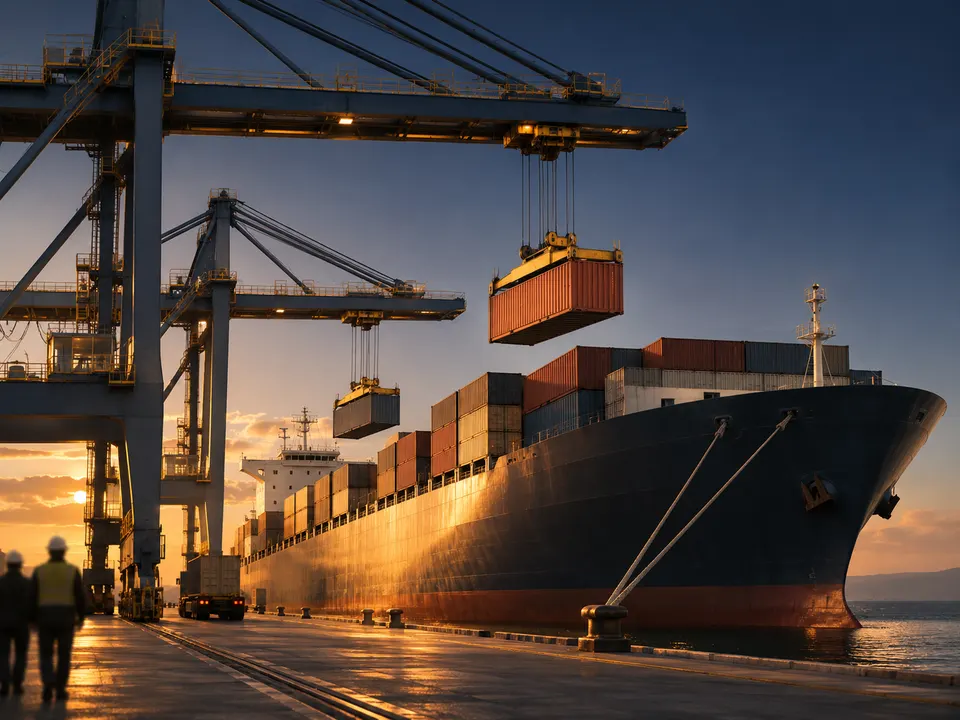
If your container has been selected for Huangpu port cargo inspection, the immediate question is what happens next, who must attend, and which documents will settle the query. In this worked scenario, a Guangzhou importer buying new pump components from Japan moves a CIF Huangpu shipment through declaration, examination and delivery. The same steps apply to any consignee with cargo arriving at the Huangpu customs district, but every terminal and commodity file must be checked against current rules.
Step 1: Fix the Importing Party and the Huangpu Arrival Point
The buyer first decides who will act as the mainland importer of record. If the Guangzhou company has import and tax registration, it can use its own name; otherwise an import agency must be appointed before the supplier issues documents, because a change after arrival rewrites invoices, packing lists and the consignee block. Huangpu is not a single gate: the customs district covers inland Pearl River terminals, and the carrier's arrival notice must show the exact discharge yard. Never declare "Huangpu port" until the arrival terminal and container number are confirmed, or the examination appointment may be scheduled at a site far from the actual cargo.
Step 2: Pre-Arrival Document Review for a Huangpu Port Cargo Inspection
The buyer receives the supplier's commercial invoice, packing list, bill of lading and certificate of origin. Cross-check shipper, consignee, notify party, vessel/voyage, container, description, quantity, gross weight, unit price and total value. For new pump components, include the manufacturer's catalogue page, drawing or data sheet showing function, material, pressure rating, and whether any part is used or refurbished. Origin evidence matters only if a preferential tariff applies; otherwise customs uses the declared origin for statistical and trade-policy checks. If any document must change, do so before filing, because a post-filing amendment changes the risk profile and may extend the inspection. For goods arriving through Huangpu, a dedicated Guangzhou Port Import Clearance file separates Nansha and Huangpu operations from the start, avoiding a single generic "Guangzhou" treatment.
Step 3: Filing the Declaration and Preparing for Selection
The broker files the import declaration after the manifest is available. The system may clear the goods directly or select the entry for inspection. Selection is based on risk, commodity, origin, declared value and the consistency of the invoice and packing list; it is not proof of a violation. At this stage the buyer must confirm who will attend the Huangpu examination, supply the same product evidence already reviewed, and ensure the container seal number is on the arrival notice and customs documentation. Customs release is not the same as carrier or terminal release: after the customs status appears, the buyer must still pay port charges and get a pickup order before a truck can enter.
What Happens at the Huangpu Port Cargo Inspection Site
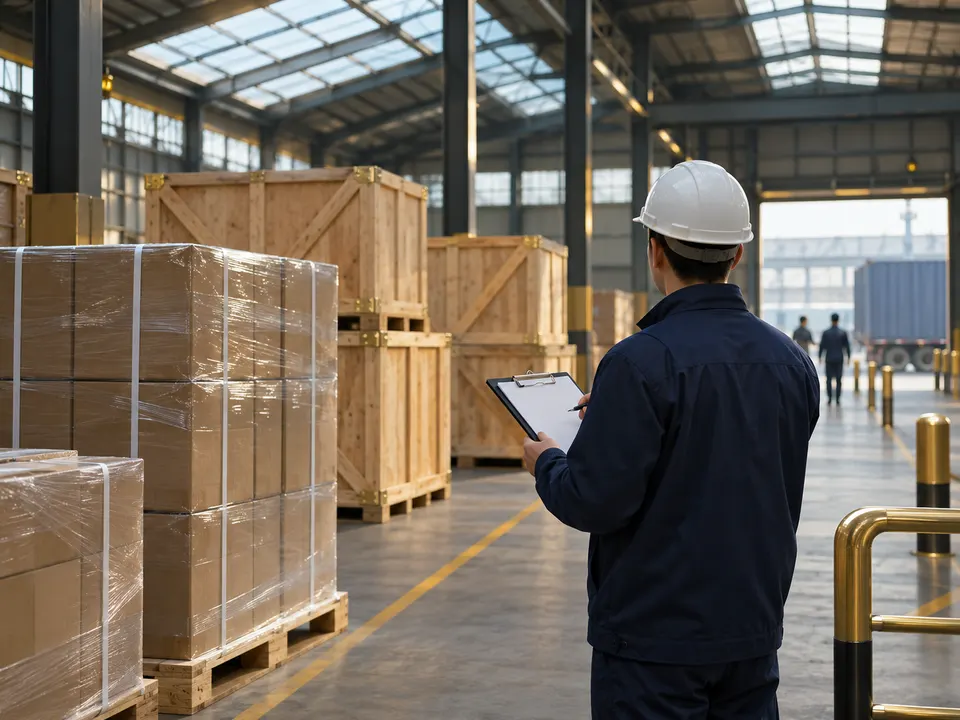
Customs may direct the container to an inspection bay or warehouse in the Huangpu district. The attending party brings the documents, technical literature and any original certificates. Inspectors may check marks, quantity, description, material, whether goods are new or used, and whether the declared value is consistent with the packing list. If the cargo is on pallets, the terminal may need to move or unload it; movement, handling and storage charges are billed to the importer or the party named on the terminal account. If inspectors accept the goods, the system records the result and the broker can move to release. If a query remains, customs may ask for a price explanation, additional catalogue pages or proof of payment. Resolving that query may change the tax base: the main tax sequence is CIF customs value, then duty at the applicable HS rate including any additional tariff, then consumption tax where applicable, then VAT at the applicable rate on the combined amount. No fixed figure should be assumed until the HS code and origin are checked, because a small classification difference can change the duty outcome.
Step 5: Release, Collection and Post-Inspection Actions
After customs release, the buyer or broker gets the carrier release and confirms the pickup window. At Huangpu's inland terminals, the trucking move may be shorter than at an ocean gateway, but receiving hours and empty-container return are separate conditions. For delivery to a Guangzhou factory or warehouse, confirm the receiving appointment, unloading capacity and any local access restrictions. If the inspection found a document error, correct it in the next shipment file rather than repeating the same mismatch. A Customs Examination & Release Coordination service organises the evidence and site work, so the importer is not trying to solve a door-destination problem from outside the port.
A Huangpu port cargo inspection becomes predictable when the arrival terminal, importer, product evidence and release steps are defined before the barge or feeder arrives. Send us the product name, HS code if known, origin, the exact Huangpu terminal on the arrival notice and the final delivery address. We will return a document checklist and a landed-cost quotation that separates customs duty, examination handling and delivery: contact our team.
Questions raised by this topic
What triggers a Huangpu port cargo inspection?
Inspection can be triggered by risk-based selection, random verification, or inconsistencies in documents such as invoice and packing list mismatches. It is not automatically a penalty and does not mean the goods are seized.
Who attends the inspection at Huangpu?
The importer or its appointed customs broker attends, usually with technical evidence. The terminal provides cargo handling, but the interested party should be present or represented to answer classification and valuation questions.
How long does a Huangpu inspection take?
No fixed time applies; it depends on the queue, the scope of examination and how quickly you provide requested documents. Preparing the file in advance usually reduces added storage or detention costs.
Does inspection increase import tax?
Only if customs revalues the goods or changes the HS code. Otherwise the declared CIF value and applicable duty, consumption tax and VAT remain the basis for assessment.
Can I ship to Huangpu but clear at another port?
No, the customs declaration follows the actual port of discharge shown on the arrival notice. You may arrange transshipment, but the import formalities are completed at the first mainland port of entry.
Prepared with automated research. Check the linked official material and the requirements for your shipment before acting.