Nansha Import Customs Clearance: Buyer Questions Before You Ship
Importing through Nansha? Learn who handles the file, which documents must match, and how taxes and release actually work before you ship.
Author SEEHOG South China port editorial desk

If your cargo is arriving at Nansha Port, the importer of record must be ready before the vessel berths. Nansha import customs clearance depends on correct HS classification, origin documents, and matched commercial paperwork; without these, customs release stops and terminal storage starts. This buyer Q&A covers the questions we hear before a shipment is committed.
1. Who must act as importer when goods arrive at Nansha?
Nansha is a mainland port, so the customs declaration must name a mainland business with import rights and the correct Customs Registration Code. If your company does not have that presence, the overseas supplier cannot simply declare in your name. You need an agreed importing party before the bill of lading is issued. Greater Bay Area Import Agency sets that party and keeps the invoice, contract and consignee consistent.
2. What documents does Nansha import customs clearance require before arrival?
Send the commercial invoice, packing list, bill of lading, contract and, where required, certificate of origin. The goods description, HS heading, quantity, unit value, gross weight and marks must match across all papers. If the buyer, seller or consignee changes after documents are issued, request corrected documents before the broker files the declaration; correcting a filed declaration is slower and can raise inspection risk. For machinery, used equipment or IT modules, also prepare model numbers, technical specifications, photos and an end-use statement to support classification and licensing.
3. How are mainland import taxes calculated at Nansha?
Mainland tax follows this order: CIF customs value; duty = value × applicable rate including any additional tariffs; ad valorem consumption tax = (value + duty) / (1 - rate) × rate; VAT = (value + duty + consumption tax) × 13% or 9%. The applicable rates are determined by the HS code and country of origin, so do not estimate from a general product name. Provide the full specification and origin proof and we will confirm the code before filing.
4. What actually happens after discharge at the berth?
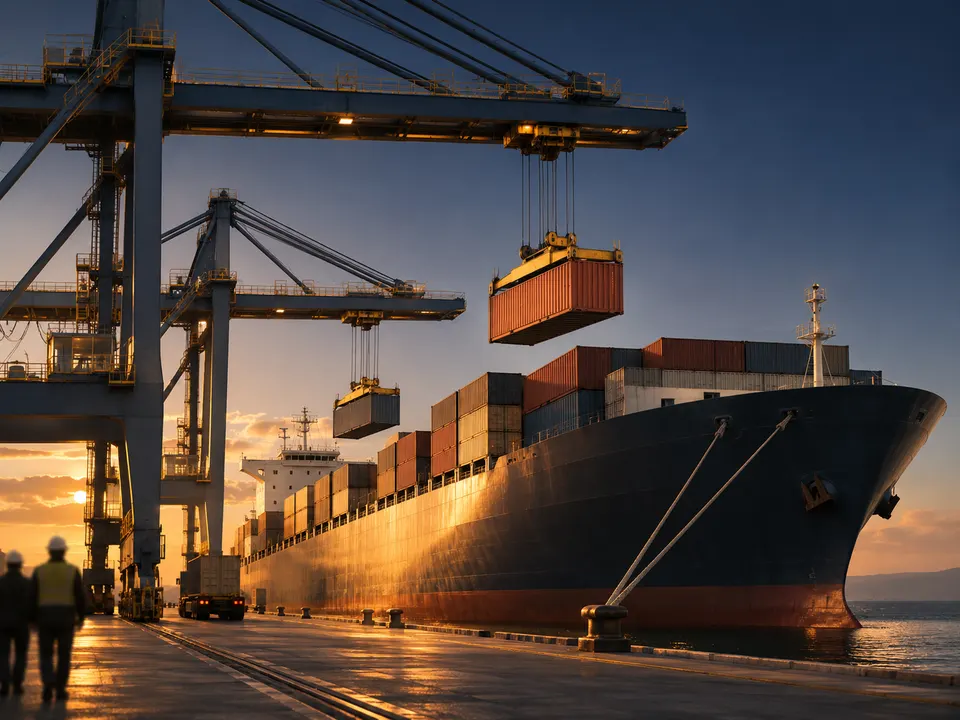
Carrier release and customs release are separate. First settle ocean freight and port charges with the carrier or forwarder, exchange the delivery order, then file the customs declaration. If customs requests an examination, the cargo must be moved to the inspection area before release. After customs release, the terminal's receiving appointment and truck loading rules determine when your vehicle can collect. Check the berth and terminal code on the bill of lading because Nansha operations differ from Huangpu. Our Guangzhou Port Import Clearance service separates Nansha and Huangpu files from the start.
5. Can goods be moved into a Nansha bonded warehouse before duty is paid?
Yes, in many cases. The shipment can be admitted to a Nansha bonded area in bond, postponing duty and VAT until domestic release. You must still complete the import manifest and bonded entry, and the goods must be eligible for bonded storage. Later withdrawal requires a separate domestic declaration and duty payment. This helps manage cash flow and buyer uncertainty, but does not remove product controls. Plan the bonded admission before the vessel arrives.
6. What if customs selects the shipment for examination?
Do not delay the appointment. Provide the classification evidence, product labels, packaging samples and contact person at the terminal. If the goods are controlled or the documentation is inconsistent, the examiner may require a technical review or label correction. Customs Examination & Release Coordination organises the evidence and site work so the cargo is not left waiting against a clock.
If you are ready to import through Nansha, send the product name, HS code if known, origin and destination plus the actual port of discharge to /en/contact/. We will return a document checklist and landed-cost quotation for Nansha import customs clearance.
Questions raised by this topic
How long does Nansha import clearance normally take?
It depends on completeness of documents, whether the HS code is correct and whether customs selects the shipment for examination. A clean file normally clears after discharge in a few working days, but no fixed time can be guaranteed.
Can I use one broker for Hong Kong transshipment and Nansha import?
Yes, but separate the Hong Kong operation from the mainland entry. The broker should review the Hong Kong transit or transshipment file and the Nansha declaration as two connected stages.
What Incoterms should I use to reduce Nansha storage risk?
Use terms that end liability at a port after customs clearance, such as DAP or DDP with an agreed import agent, but confirm who pays port charges and truck waiting time. Avoid FOB without a nominated delivery agent because the consignee must still arrange the declaration.
Prepared with automated research. Check the linked official material and the requirements for your shipment before acting.