

South China & Hong Kong · Port clearance
From arrival notice to release at the right port.
Yantian or Shekou, Nansha or Huangpu, an airport or a Hong Kong crossing: start with the actual gateway. We coordinate cargo documents, import and export declarations, examination and collection across South China.
- Founded in Shanghai in 1997
- Shenzhen · Dongguan · Guangzhou offices
- Imports · Exports · HK crossings
 1997Founded in Shanghai
Your regional customs desk
A shipment plan starts with a terminal name.
SeeHog International Logistics Co., Ltd. is a customs broker and import/export agent founded in Shanghai in 1997. This site focuses on South China and Hong Kong: where cargo is declared, what must be ready, and who collects it after release.
Check the terminal, cargo station or border crossing against the transport booking before preparing the declaration.
For Hong Kong movements, align the mainland declaration, Hong Kong cargo documents and truck handover.
Confirm cargo availability, customs status and collection instructions before dispatching the delivery vehicle.
Service scope
Clearance and cargo handover across the Greater Bay Area
Twelve services cover port declarations, Hong Kong movements, cargo compliance and regional logistics.
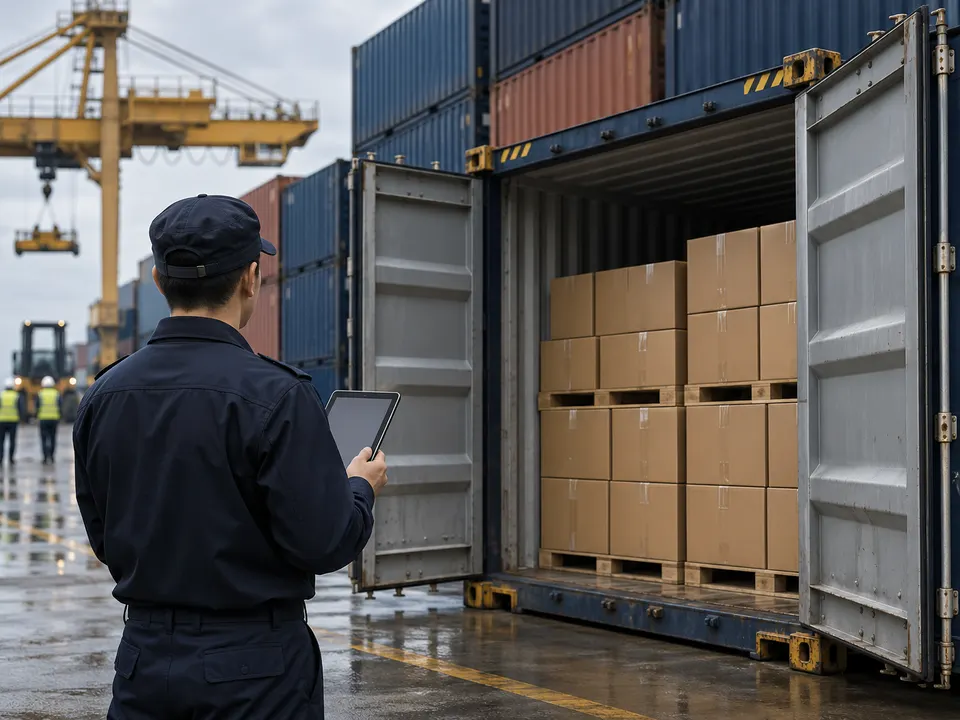
Port clearance
- 01Shenzhen Port Import ClearancePrepare the cargo file for Yantian or Shekou and connect release with collection.Mainland imports
- 02Guangzhou Port Import ClearanceSeparate Nansha and Huangpu operations from the start of the shipment file.Equipment, components and consumer goods
- 03Baiyun, Bao’an & HKIA Cargo ClearanceAlign the air waybill, cargo station and onward route before collection.Commercial air cargo
- 04PRD Factory Export DeclarationTurn the factory dispatch list into a consistent export file.Sea, air or Hong Kong road routes
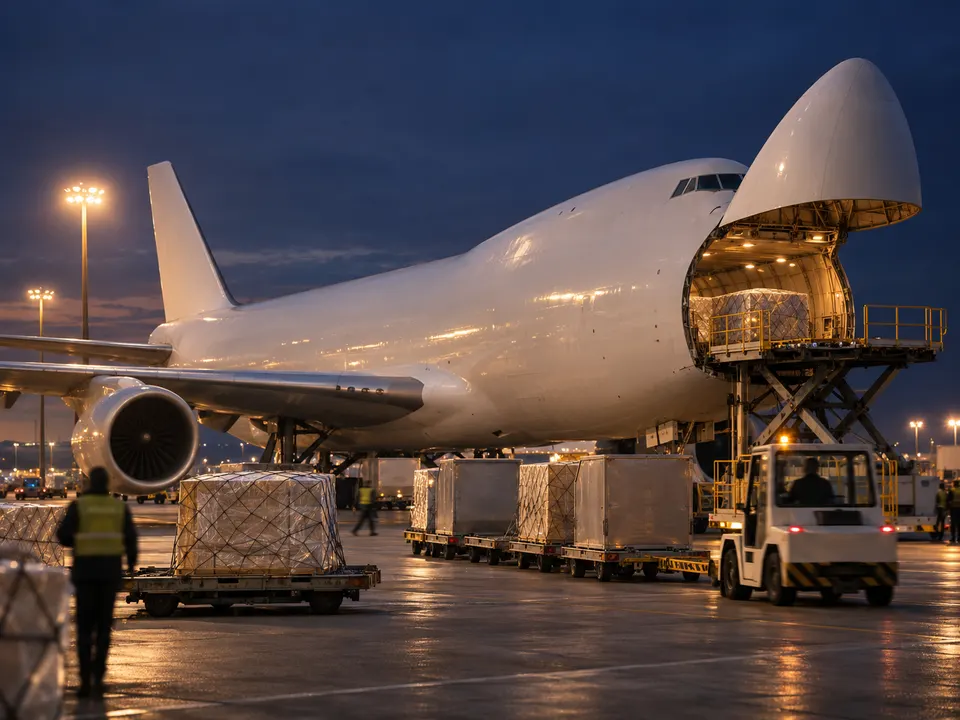
Hong Kong & cross-border

Inspection & compliance
- 07Customs Examination & Release CoordinationOrganise the evidence and site work needed for a cargo query or examination.South China ports, airports and cargo facilities
- 08Port Inspection, Quarantine & LabellingReview product certificates and packaging before the port operation begins.Before dispatch where possible
- 09Special Cargo Clearance AdviceAssess controlled items, IT security modules and used equipment before routing.Before purchase commitment or dispatch
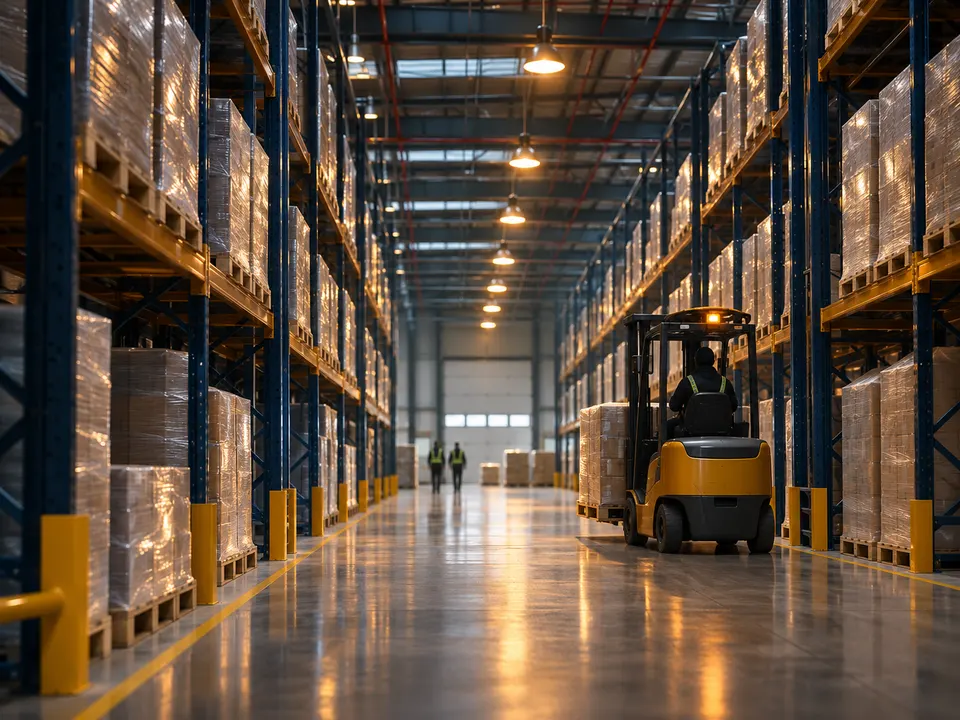
Regional logistics
- 10Greater Bay Area Bonded WarehousingPlan admission, inventory and release in Qianhai, Nansha or Futian.Mainland entry or re-export, where permitted
- 11Greater Bay Area Import AgencySet the mainland importing party before the cargo leaves Hong Kong or origin.Direct import or via Hong Kong
- 12South China Door-to-Door Cargo DeliveryConnect port collection with the actual warehouse or factory receiving conditions.Ports, airports, bonded facilities or agreed origin
Mainland import calculation
Budget taxes before the mainland entry.
Use the confirmed HS code, origin and valuation basis for cargo entering through a mainland port. This calculator does not calculate Hong Kong charges.
Estimated mainland taxes
| Customs value (CIF) | — |
|---|---|
| Insurance amount | — |
| Duty payable | — |
| Consumption tax payable | — |
| Import VAT payable | — |
A planning estimate for mainland imports. Confirm classification, origin, applicable rates and valuation adjustments; terminal, inspection, agency and delivery charges are separate. The insurance default is a tool assumption to verify.
Cargo planning
Match the cargo file to the port operation
A product name alone is rarely enough. These shipment types need a closer look at specifications, packaging and the next transport leg.
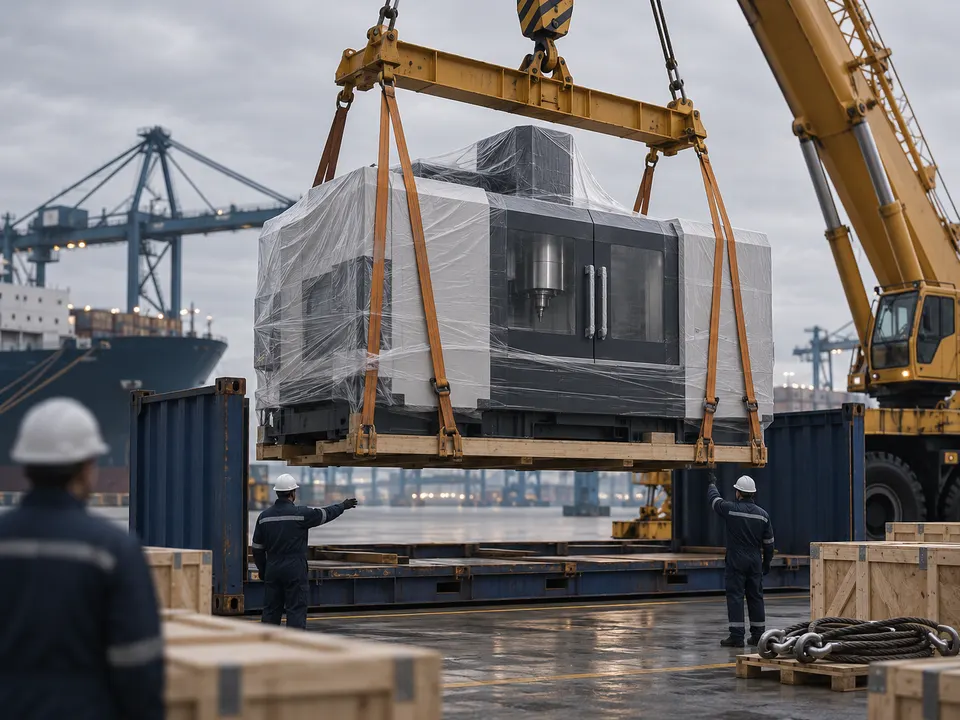 EquipmentMachinery and used equipment
Model, serial number, condition and crate details help assess admissibility and handling.
 ElectronicsPRD factory exports
Separate models and accessories and reconcile the factory list with the export booking.
Hong KongGoods routed through Hong KongReview the onward destination, cargo status and any control requirements before transhipment.
 Consumer goodsPackaged goods and labels
Check product-specific certificates and label artwork before goods reach the cargo station.
InventoryStock awaiting allocationMatch bonded admission, stock records and release instructions to each customer order.
Ports
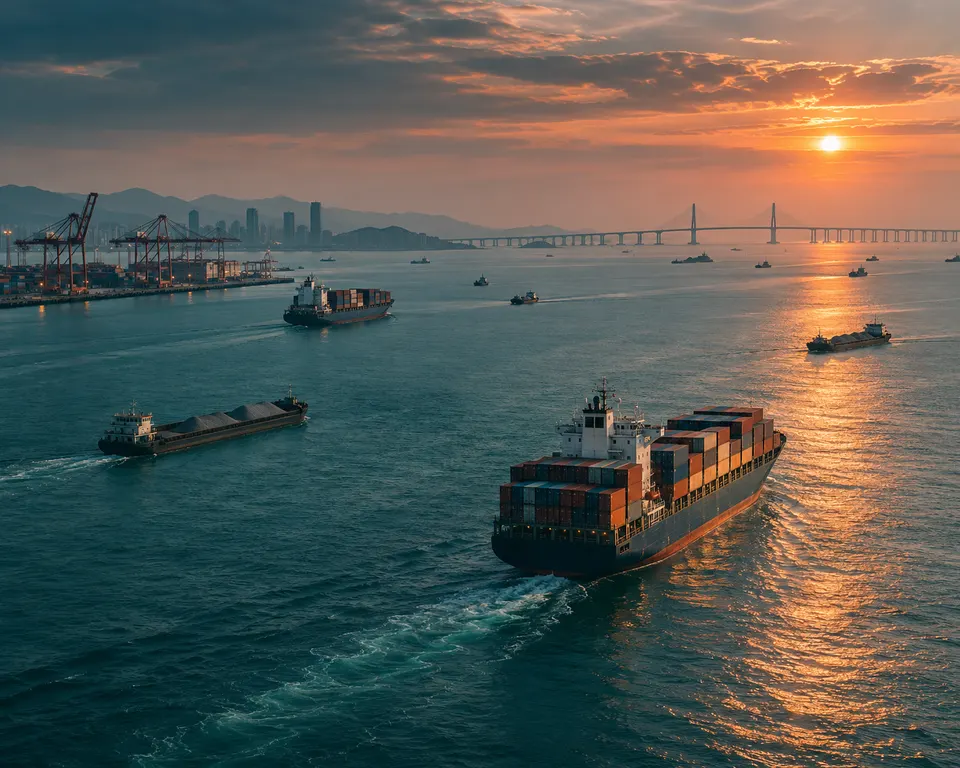
Five gateway areas. Different operating details.
Choose the port district for terminal names, document preparation and route-specific pitfalls.
- SZX Shenzhen portsYantian, Shekou, Bao’an and Hong Kong road crossings.SeaAirRoad
- CAN Guangzhou portsNansha, Huangpu and Baiyun Airport cargo.SeaAirRoad
- HKG Hong KongKwai Tsing, HKIA and onward movements to the mainland.SeaAirRoad
- DGG Dongguan ports and factoriesShatian cargo connections and factory export coordination.SeaRoad
- ZUH Zhuhai and Macao routesGaolan sea cargo and HZMB road connections.SeaRoad
Cargo scenarios
What a port plan needs to resolve
Six hypothetical situations show the documents and handovers to prepare.
 Equipment spares
Preparing equipment parts for Yantian releaseYantian terminal → Dongguan factory
A generic invoice description does not identify the parts inside each crate.
Explore detailsHong Kong transit
Electronic components via Hong KongHKIA → Hong Kong handling point → Shenzhen crossingThe inbound air reference and onward truck records must identify the same goods.
Explore detailsFactory export
Dongguan orders consolidated for exportDongguan factories → Shekou export terminalCombined loading can obscure the quantity and ownership of each declaration lot.
Explore detailsShipment workflow
Make the next handover clear
Prepare the customs and transport steps together, from the booking file to receipt of the cargo.
- 01Locate the shipment
Provide the terminal or crossing, transport reference and import, export or transit purpose.
- 02Review the cargo file
Check descriptions, classification evidence, packaging and any product controls.
- 03Agree responsibilities
Identify the importer or exporter, document owner and payer for each cost item.
- 04Prepare the declaration
Align invoice, packing list and transport data before submission.
- 05Respond at the port
Coordinate queries, examination access and release status with the operating parties.
- 06Collect and reconcile
Arrange the delivery slot and retain declaration, tax and cargo handover records.
Working standards
The details we keep visible
The quotation separates the port work, transport legs and any unresolved cargo requirements.
Product specifications support declaration data; discrepancies are raised for correction.
An examination request or missing certificate is recorded with the action needed from the shipper.
Collection instructions identify the location, release evidence and receiving arrangements.
Before booking
Questions about the port decision
Start with the physical route and the status of the goods.
Is a Shenzhen booking enough to prepare the declaration?
Please identify Yantian, Shekou, the airport cargo station or the land crossing. Send the booking or arrival notice so the customs file and collection plan refer to the same location.
Does Hong Kong release cover the mainland entry?
The mainland leg needs its own review of the importer, product requirements and declaration. Hong Kong cargo clearance does not establish mainland admissibility.
Can a PRD factory use these services for exports?
Yes. Send the factory packing list, commercial invoice, booking and product specifications. We align the export declaration with the actual shipping port and the next transport leg.
What should I send for a cargo examination?
Provide the notice or query, declaration reference, cargo location and the current invoice and packing list. Photographs and technical information may help answer the specific question raised.
How should I compare two port quotations?
Compare the same terminal and delivery address. Separate taxes, terminal handling, agency work, inspection-related operations, storage and trucking; confirm which items depend on events or cargo details.
When can the truck collect?
Confirm customs status and the terminal or warehouse release separately, then verify the pickup reference and receiving slot. A vessel arrival or flight landing alone does not mean the cargo can be collected.
Port insights
Documents, crossings and release decisions
Practical reading for cargo owners using Guangdong and Hong Kong gateways.
 Greater Bay Area Import Agency: Fix the Missing ImporterWhen there is no mainland importing party, cargo stalls before customs. Here is how a Greater Bay Area import agency closes the gap and moves the file.
 South China port release: documents, import taxes and collectionConnect the terminal, customs file and receiving warehouse before dispatching a truck.
 Hong Kong to mainland cargo: prepare both sides before truckingMap the inbound shipment, Hong Kong handling and mainland entry with distinct document responsibilities.
Shipment review
Which port is on your booking?
Send the cargo description, terminal or crossing, shipment direction and destination. We can identify the information needed for a workable clearance scope.
