Shekou Cargo Release Documents: 6 Mistakes That Delay Your Container
See six document missteps that stall Shekou cargo release, add storage or examination, and how to prepare the file correctly.
Author SEEHOG South China port editorial desk

Most Shekou cargo release documents problems are not customs penalties; they are file inconsistencies, missing import authority, or a carrier release being mistaken for customs release. At Shekou, the container is available only after the terminal gate-out, customs status and receiving appointment are aligned. This article walks through six mistakes that add storage, examination or truck waiting charges, and how to prepare the file so release does not stall. For a complete Shekou import file, see Shenzhen Port Import Clearance.
Mistake 1: The consignee cannot act as mainland importer
What goes wrong: The ocean bill names an overseas buyer or Hong Kong company that is not registered for mainland import. Shekou customs will suspend the declaration until the importer of record is corrected or an agent is appointed. Cost: container storage at Shekou, amendment fees and potential demurrage. Prevention: agree the mainland importing party before the bill of lading is issued. If the shipper has no mainland entity, use Greater Bay Area Import Agency to set the buyer of record consistently on the commercial invoice, packing list and declaration.
Shekou cargo release documents mistake: carrier release is not customs release
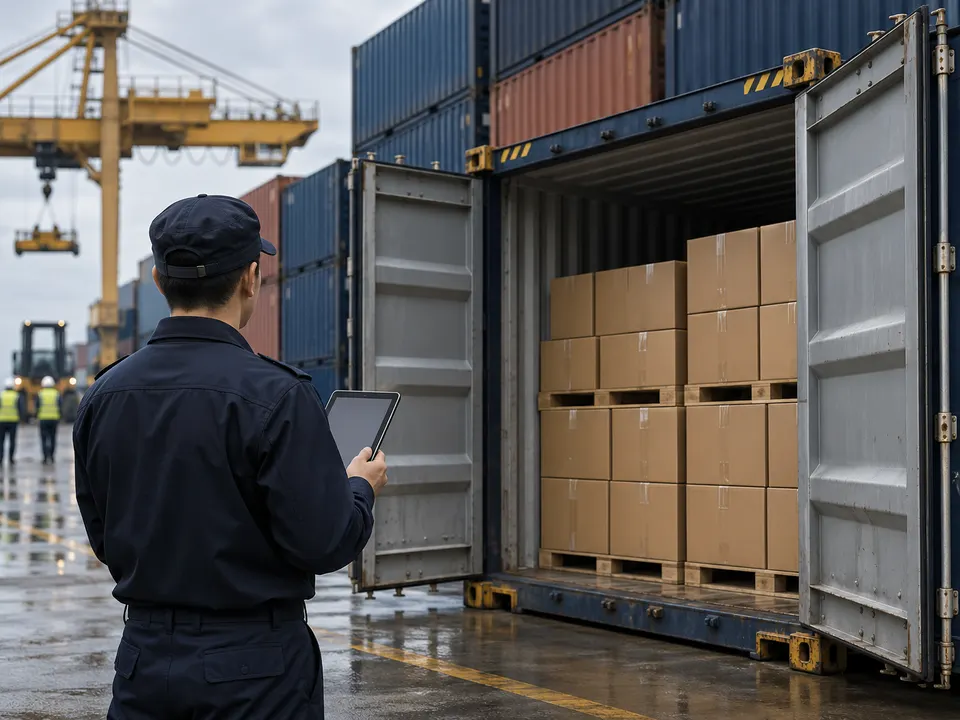
What goes wrong: The freight forwarder issues a delivery order, but the trucker arrives at Shekou and the gate shows “no customs release” or “not available.” A carrier release only transfers the right to collect the cargo; it does not mean mainland customs has accepted the declaration or that duty and VAT have been settled. Cost: wasted truck trip, gate queue re-entry, container storage and overtime. Prevention: before dispatching the truck, confirm separately that (a) the carrier has issued the delivery order, (b) Shekou customs status shows release, and (c) the terminal has received the gate-out instruction. Never rely on a single email.
Mistake 3: Invoice, packing and transport data do not match
What goes wrong: The bill of lading shows one quantity or weight, the packing list shows another, and the commercial invoice uses a different unit price or model. Shekou customs compares the manifest with the declaration; any mismatch can send the entry to inspection. Cost: examination, document correction, storage and possible re-declaration. Prevention: use one set of data from the factory dispatch list through to the ocean bill, packing list, invoice and customs declaration. If a change is made after sailing, correct the manifest before arrival and keep the amendment evidence. If the entry is selected for examination, Customs Examination & Release Coordination helps organise the evidence and site work.
Mistake 4: No receiving appointment or wrong vehicle for Shekou collection
What goes wrong: Even with customs release, the container cannot leave Shekou without a terminal gate appointment or with a truck that is not registered for that terminal. Drivers may queue for hours or be turned away. Cost: waiting time, re-booking, storage and possibly a second truck. Prevention: as soon as the customs release is close, book the collection window at the correct Shekou terminal — Shekou Container Terminals, Chiwan or Mawan — and confirm the truck plate, driver ID and container number. Coordinate the appointment after customs release, not before.
Mistake 5: Product evidence or permits are missing until after arrival
What goes wrong: Mechanical or electronic goods, used equipment, IT security modules or goods subject to inspection may need an import licence, CCC or energy label documentation, or end-use evidence. If these are not submitted with the declaration, Shekou customs will hold the cargo. Cost: examination, storage, inspection agency fees and delayed production. Prevention: send the product name, HS code, model and end use before the vessel leaves origin. A document review can identify the permits and certificates needed for that commodity before it reaches Shekou.
Mistake 6: Hong Kong transit is treated as the mainland entry
What goes wrong: Cargo that moves through Hong Kong before Shekou has two file sets: Hong Kong import/export or transit documents and the mainland import declaration. Transit through Hong Kong does not remove mainland controls or change origin. If the Hong Kong manifest, cross-border truck documents and Shekou declaration are not aligned, release stops at the port or at the boundary. Cost: holding charges, re-declaration, and potential loss of the intended route. Prevention: keep the Hong Kong operation and the mainland entry separate, and plan the cross-border move only after both files are complete.
To avoid these Shekou cargo release documents mistakes, send the product name, HS code if known, origin, destination and the actual Shekou terminal to /en/contact/ for a document checklist and landed-cost quotation.
Questions raised by this topic
What documents are required for Shekou customs release?
Commercial invoice, packing list, bill of lading or sea waybill, arrival notice, import declaration, and any commodity-specific permits or certificates. The importer of record must be consistent across all of them.
How do I know if my container has customs release at Shekou?
Check the customs status in the declaration system and the terminal gate-out instruction. A carrier delivery order alone is not proof of customs release.
Can a Hong Kong company be the consignee for Shekou import?
Only if it is registered for mainland import or appoints a mainland importer of record. Otherwise the documents must be amended before declaration.
What happens if my packing list quantity differs from the bill of lading?
Customs may flag the entry for examination or require correction, causing storage and delay. Fix the manifest before arrival.
Do I need a separate Hong Kong transit file if cargo passes through Hong Kong?
Yes, Hong Kong and mainland entries are separate; transit does not change origin or mainland controls.
Prepared with automated research. Check the linked official material and the requirements for your shipment before acting.